
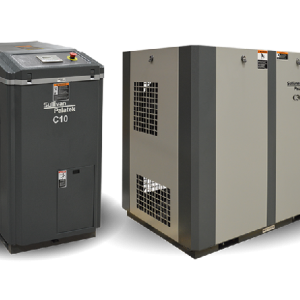
A reliable compressed air system is essential for many industries, including manufacturing, automotive, construction, and industrial operations. Proper air compressor installation plays a major role in ensuring system efficiency, safety, and long-term performance. Whether installing a new compressor system or upgrading existing equipment, professional installation helps businesses avoid costly problems and improve productivity.
Choosing the right setup and installation process can increase equipment lifespan, reduce energy costs, and ensure smooth daily operations.
Why Professional Air Compressor Installation Matters
Installing an air compressor is more than simply connecting equipment. A properly designed system requires careful planning, correct sizing, and professional setup to meet operational demands.
Professional air compressor installation helps businesses:
- Improve system efficiency
- Reduce energy consumption
- Prevent future breakdowns
- Ensure safe operation
- Increase equipment lifespan
- Maintain consistent air pressure
Incorrect installation can lead to pressure loss, overheating, leaks, and expensive repairs over time.
Choosing the Right Air Compressor System
Every business has different compressed air requirements. Selecting the correct system depends on factors such as air demand, workspace size, and industry applications.
Rotary Screw Air Compressors
These systems are commonly used in industrial facilities because they provide continuous airflow and high efficiency.
Reciprocating Air Compressors
Ideal for smaller operations and workshops, reciprocating compressors are cost-effective and reliable for intermittent use.
Oil-Free Air Compressors
Industries such as healthcare and food processing often require oil-free systems to maintain clean air quality.
Professional technicians evaluate your needs and recommend the best compressor solution for your business.
Important Steps in Air Compressor Installation
A successful installation process involves several important steps to ensure maximum performance.
Site Evaluation
Technicians inspect the installation area to determine proper ventilation, electrical access, and available space.
System Design
A custom system layout helps optimize airflow and improve operational efficiency.
Air Piping Installation
Proper piping reduces pressure drops and improves overall system performance.
Electrical Connections
Professional electrical setup ensures safe and reliable operation of the compressor system.
Testing and Calibration
After installation, technicians test the system to verify pressure levels, airflow, and performance.
Benefits of Professional Air Compressor Installation
Working with experienced installation professionals provides long-term advantages for businesses.
Improved Energy Efficiency
Proper installation reduces wasted energy and lowers monthly operating costs.
Reduced Downtime
Correct setup minimizes the risk of unexpected equipment failures.
Better Performance
A professionally installed system delivers stable air pressure and reliable operation.
Longer Equipment Lifespan
Well-installed compressors experience less strain and wear over time.
Common Installation Mistakes to Avoid
Improper installation can create serious operational issues. Businesses should avoid common mistakes such as:
- Incorrect compressor sizing
- Poor ventilation
- Low-quality piping systems
- Improper electrical setup
- Ignoring maintenance access
- Air leaks in the system
Professional installation services help prevent these costly problems.
Industries That Use Air Compressor Systems
Compressed air systems are essential in many industries where reliable equipment performance is important.
Common industries include:
- Manufacturing facilities
- Automotive repair shops
- Construction companies
- Medical facilities
- Food processing plants
- Warehouses
- Industrial workshops
Each industry requires a customized installation approach based on operational needs.
The Importance of Maintenance After Installation
After installation, regular maintenance helps keep the system operating efficiently. Preventive service reduces repair costs and improves long-term reliability.
Routine maintenance may include:
- Filter replacement
- Oil changes
- Leak inspections
- Belt checks
- Pressure testing
- System cleaning
Scheduled maintenance helps businesses avoid unexpected downtime and costly repairs.
How to Choose the Right Air Compressor Installation Company
Selecting an experienced installation company is important for achieving the best results.
Look for a company that offers:
Industry Experience
Experienced professionals understand different compressor systems and applications.
Customized Solutions
Every business has unique air requirements that require tailored installation plans.
Fast Customer Support
Reliable support ensures quick assistance when issues arise.
Quality Equipment
Trusted companies use high-quality components and modern installation techniques.
Preventive Maintenance Services
Ongoing support helps maintain system efficiency after installation.
Final Thoughts
Professional air compressor installation is essential for businesses that depend on reliable compressed air systems. A properly installed compressor improves efficiency, reduces energy costs, and helps maintain smooth daily operations.
By working with experienced installation professionals, businesses can ensure long-term performance, minimize downtime, and maximize the value of their investment in compressed air equipment.